

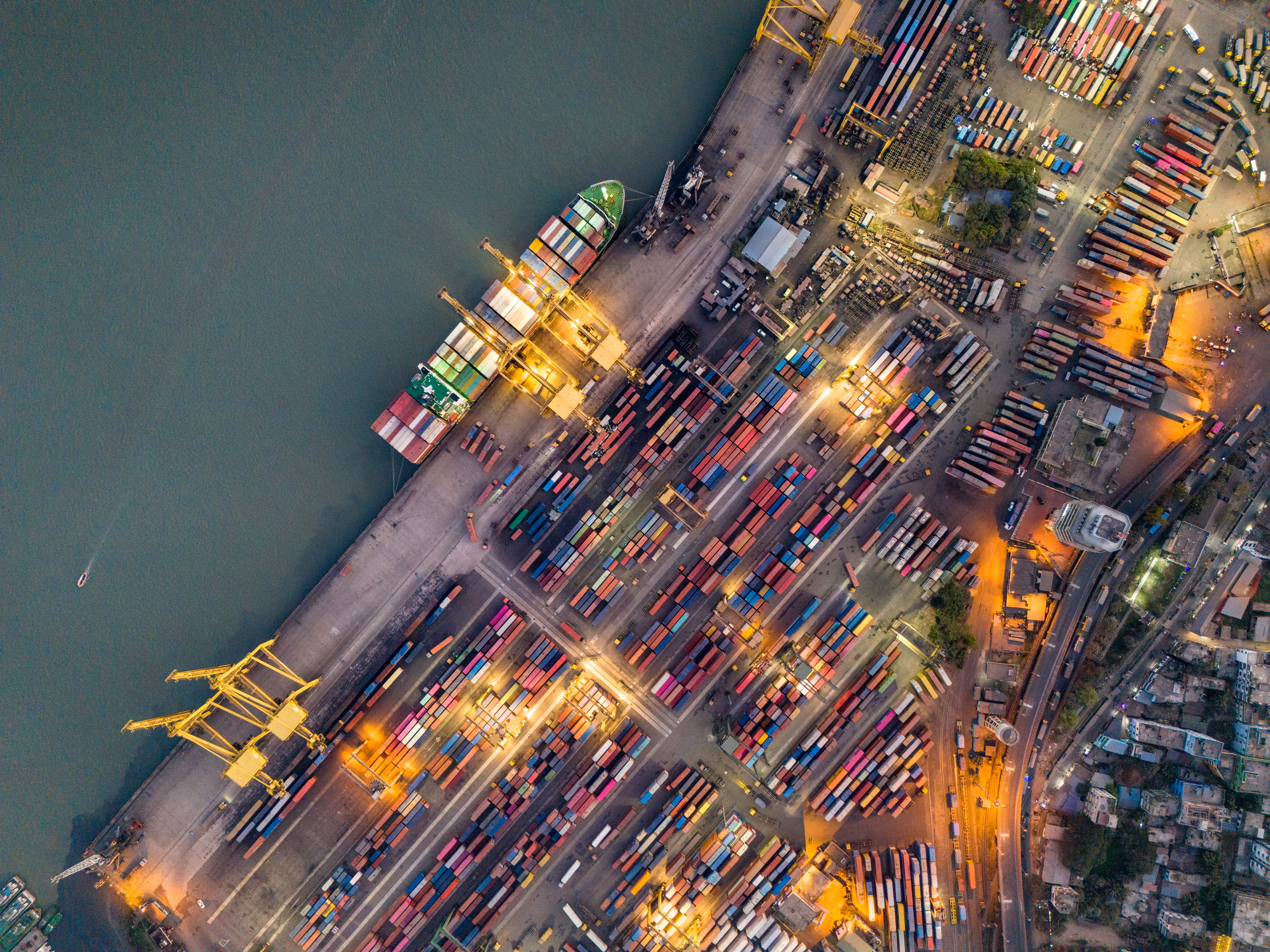
 Over the last two decades, Bangladesh has emerged as one of the most rapidly expanding economies in the world as a result of high export growth, large inflows of remittances, and a large and youthful workforce. Despite the short-term macroeconomic pressures and unbalanced labor market, international institutions forecast that the economy can maintain moderate growth, with the World Bank projecting the GDP growth of approximately 4.8% in the fiscal year 2025-26 and 6.3% in 2026-27 under current policy assumptions1. The International Monetary Fund predicts a recovery to about 4.7 percent in FY2026, subject to policies that drive fiscal and financial stability2.
This analysis examines the dynamic growth and demographics of Bangladesh, how the country has defined its growth in export-oriented manufacturing, acute infrastructure shortages, and the investment risk environment under the transforming global trade trends and transformed U.S. trade policy.
GROWTH DRIVERS AND DEMOGRAPHICS
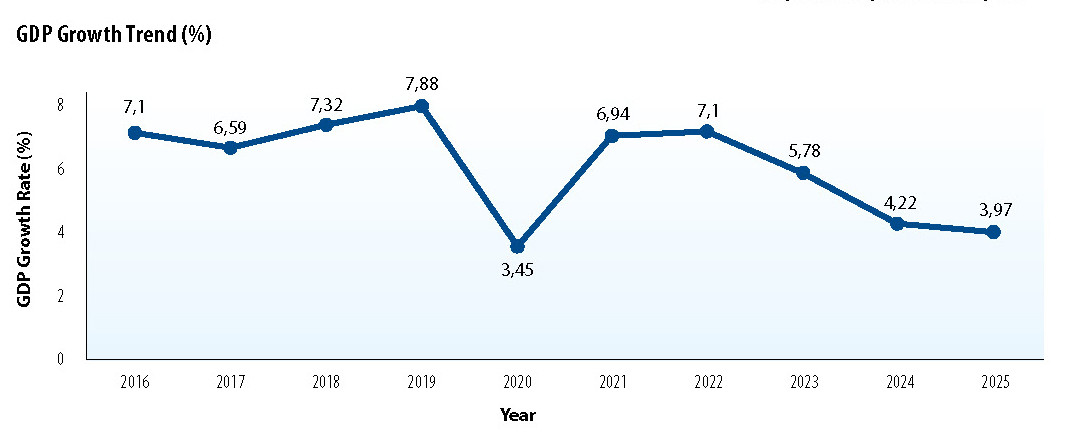
Bangladesh experienced a strong upward growth trend between 2014-2019, as the historical data in the below chart demonstrate. The peak of GDP growth of 7.88% was observed in 2019, and it reinforcing that Bangladesh is a high-performing frontier market. It has demonstrated remarkable resilience despite the economic crisis of 2020, falling by 3.45 percent, in the midst of the global pandemic, and with growth accelerating to 3.97 percent in 2024, against global macroeconomic headwinds and inflationary pressures.
The demographic dividend in Bangladesh has been a major factor in its development. The country has a population of over 170 million people, with a large working-age population, which has provided it with a competitive edge in exporting goods in its export-based sectors. However, labor force participation trends have indicated a decline from 60.9% to 58.9% due to a reduction in female participation3.
The export-oriented model of industrialization that focuses on ready-made garments (RMG) is the principal driver that contributes to the export performance of Bangladesh. According to institutional statistics of the Export Promotion Bureau, the overall export value of RMG reached about USD 38.5 billion in 2024, of which the European Union and the United States accounted fro about 50% and 18.72% of the total exports, respectively (19.4 billion and 7.2 billion). Other markets like the United Kingdom and Canada collectively accounted for approximately 14% of RMG export earnings, with non-traditional markets (including Japan, Australia, India, and Turkey) taking 16% of the apparel exports4.
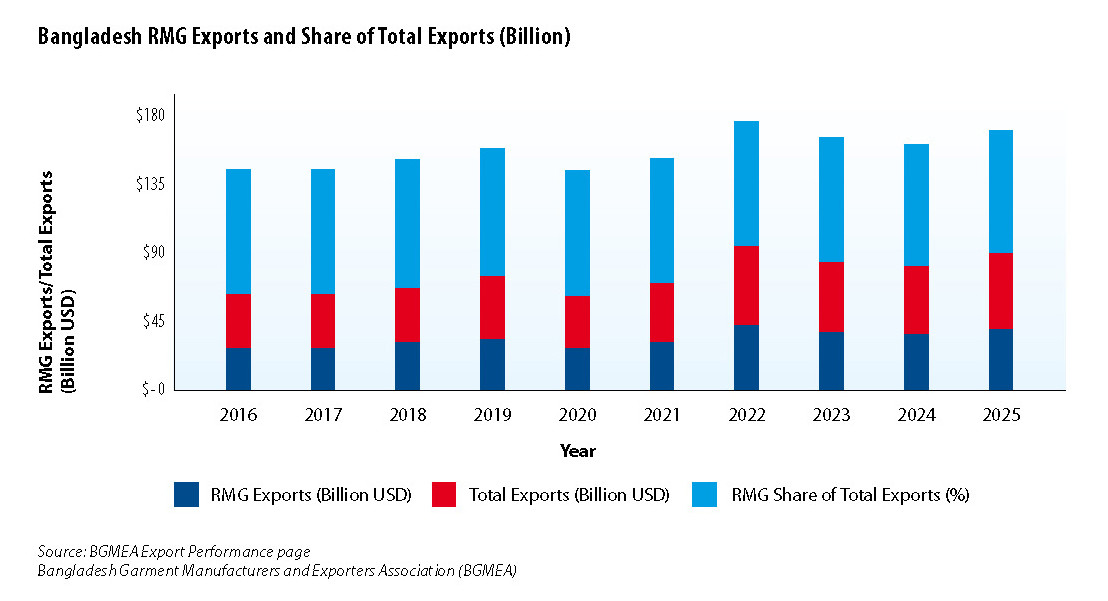
Exports of ready-made garments (RMG) in Bangladesh have shown consistent growth over the past two decades, as shown in below chart, rising from under USD 28 billion in 2016 to nearly USD 39 billion in 2025. Approximately 80% of total export revenues come from clothing, underscoring a structural dependency on this single manufacturing sector.
Remittances will continue to be a significant external stabilizer, with almost $30 billion in FY2024-25 and foreign exchange reserves support and import funding. Through these advantages, there exists unequal productivity in terms of sectors, and the labour market performance varies according to age, gender, and skill level.
INFRASTRUCTURE GAPS AND MEGA PROJECTS
The export-oriented model of growth has enabled Bangladesh to achieve high growth through its ambitious infrastructure development, but there are still structural gaps that limit productivity, increase trade costs, and affect investment decisions. These gaps include transport and logistics infrastructure, energy infrastructure, and port management, all of which are both essential to industrial activity, particularly export manufacturing.
Bangladesh experiences high logistics and transport inefficiencies, which undermine the competitiveness of exports. Chattogram Port, which serves approximately 90% of container traffic, experiences congestion and old handling systems, contributing to delays and increased cost of trade. Inadequate multimodal connectivity of the production centers and the ports also raises the delivery times and shipment costs5.
To address these structural obstacles, the government has also been conducting various mega-infrastructure initiatives that are aimed at changing the connectivity, lowering logistics expenses, and boosting exports:
Ports and Trade logistics: The Bay Terminal Marine Infrastructure Development Project, which is funded by $650 million from the World Bank, is meant to upgrade the port of Chattogram by building a climate-resistant breakwater and channel, including significant dredging works to reduce the vessel turnaround and the cost of vessel turnaround.
Also, the Dhaka Metro Rail (MRT Line-6) initiative can be used to solve traffic jams in the capital, which affects productivity and freight. Although implementation is in process, execution risk is represented by changes in timelines and costs. Some projects, such as the Padma Rail Link and the Karnaphuli tunnel, are designed to improve the inter-regional relationships, where the latter provides transport between the ports and the manufacturing regions of Chattogram6.
“Improving trade logistics and port efficiency is essential for Bangladesh to sustain export competitiveness as global supply chains become more time-sensitive.”
Mona Haddad, Global Director for Trade & Competitiveness, World Bank
Despite these initiatives, the project’s execution experiences governance and capacity issues due to delays and cost escalations, which ultimately affect the investment potential and productivity of Bangladesh.
FOREIGN INVESTMENT & FINANCING STRUCTURE
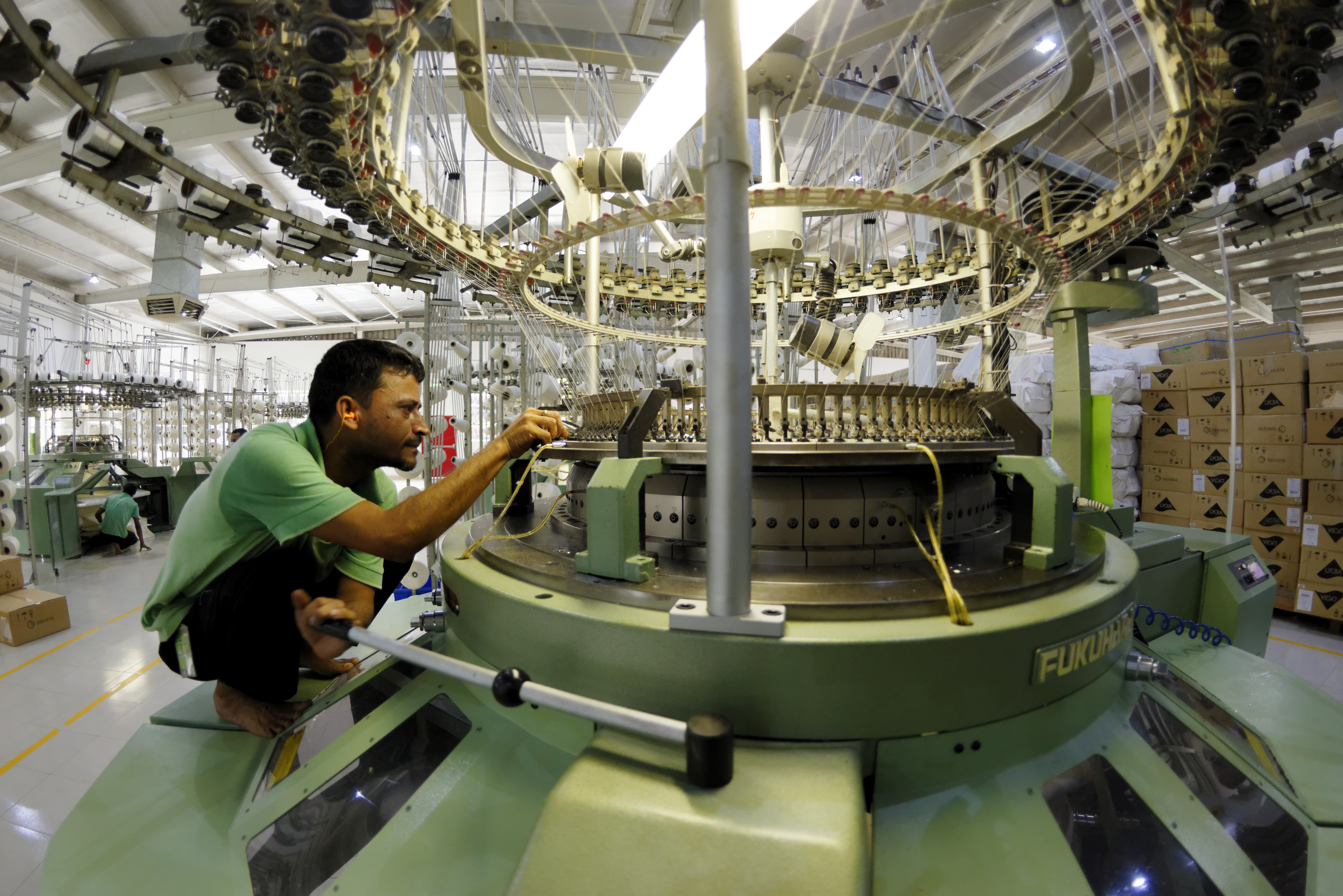
Foreign direct investment (FDI) is a significant contributor to industrial growth, development of infrastructure, and technological progress in Bangladesh, although the inflows are relatively low compared to regional competitors.
However, according to UNCTAD, Bangladesh, after experiencing its highest at over $1.8 billion in FY2019, the inflows declined by nearly one-third in FY2024, due to the slowdown of global investment and domestic macroeconomic pressures. Macroeconomic pressures, including a decline in the growth rate of GDP from 8 to 4%, and an increase in inflation from 5.5 to close to 10% between 2019 and 2024, also weighed on the overall investment landscape7. Compared to the same period in FY2024, total net FDI inflows for January–September 2025 remain high at USD 1.41 billion, which is positively supported by higher reinvested earnings and intracompany loans, reflecting stronger GDP growth and reducing inflationary pressures, as the macroeconomic and political conditions will stabilize gradually8. FDI contributes a limited but strategic portion of aggregate capital formation, but predominantly contributes in the energy, telecommunications, and export-oriented manufacturing sectors, especially the readymade garments (RMG) industry.
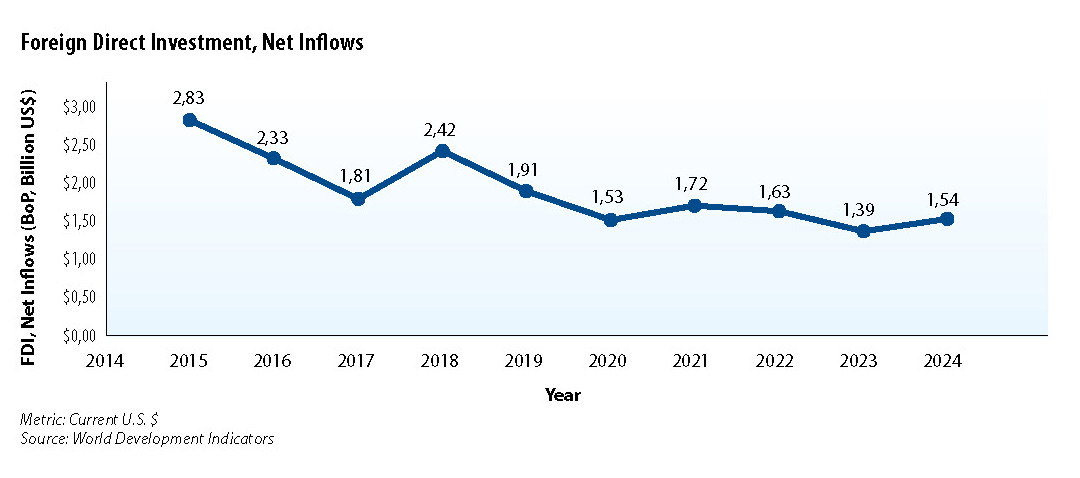
The overall financing structure of Bangladesh is diversified, which combines FDI, domestic private investment, remittance inflows, and multilateral development assistance. According to UNCTAD, the inward FDI stock remained stable at approximately $18 billion since FY2021, indicating long-term interest of investors in the country, particularly from China, the United Kingdom, and Singapore9.
The Bangladesh model of infrastructure financing also revolves around multilateral development financing. These large-scale projects, such as transport, port modernization, and energy, are funded by the World Bank and the Asian Development Bank (ADB). As an illustration, in 2025, ADB has already made a new sovereign financing commitment to Bangladesh of $2.57 billion, compared to its 2024 commitment of $1.18 billion10. Similarly, World Bank infrastructure and energy investment programmes are designed to minimize logistics costs and enhance industrial productivity.
Despite these optimistic trends, Bangladesh has structural obstacles to attracting high FDI value. The IMF notes that inflation, fiscal deficits, and the complexity of regulations are still affecting investor confidence and the borrowing environment. Enhancing Special Economic Zones (SEZs) and protection of contracts, and providing macroeconomic stability, are thus necessary to attract diversified foreign investment and maintain long-term economic transformation.

IMPACT OF U.S. TRADE POLICY & GLOBAL TARIFF SHIFTS
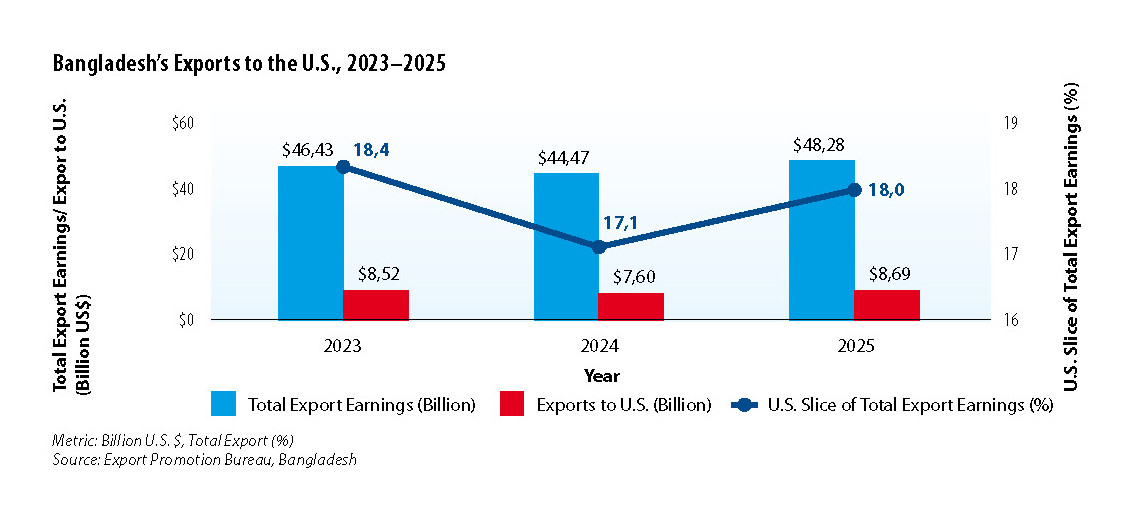
The trade policy of the U.S. and broader global tariff reforms have a significant impact on the export-based economic paradigm of Bangladesh, particularly due to its heavy reliance on apparel exports. Bangladesh remains one of the largest RMG exporters, with merchandise exports over U.S. $48.28 billion in FY202511, with garments representing over 80% of total export earnings.12 The U.S. continues to be the single largest export destination of Bangladesh, accounting for approximately 18% of Bangladesh’s total garment exports to the U.S. in FY202413. This concentration makes Bangladesh susceptible to policy reforms in major consumer markets.
The recent shifts in U.S. trade policy structures, such as an increase in supply chain compliance regulations in their supply chains, oversight of labour standards, and possible changes in tariffs on textile imports, have presented new threats to the competitiveness of Bangladesh exports. Although Bangladesh has a competitive cost of production, it does not have duty-free access to the U.S. market, which has a tariff rate of 19% on imported apparel14. These tariff differentials decrease the profit margin in exporting and may influence the sourcing behaviour of the multinational buyers.
Bangladesh will need bold and urgent reforms to bolster the financial sector, facilitate trade, and enhance domestic revenue mobilization.”
Gayle Martin, World Bank Interim Country Director for Bangladesh, 2025
In addition, Bangladesh faces a risk of facing difficulties linked with shifting trade preference arrangements as it graduates from the Least Developed Country (LDC) status. The World Bank stated that post-graduation adaptation of preferential tariff treatment would decrease the competitiveness of the prices of the Bangladesh commodities in the largest export markets, in case the trade agreements cannot be successfully renegotiated. It will be critical to adhere to the labour, environmental, and product quality standards to maintain market access.
To reduce these risks, Bangladesh must consider exporting to other higher-value areas, such as leather products, pharmaceuticals, and light engineering. In addition, trade negotiations and chain resilience, as well as product quality standards improvement, will also play a pivotal role in sustaining the export growth in the U.S. trade policy changes and the reorganization of global tariffs.
KEY INVESTMENT RISKS
Despite high economic growth and performance of exports, Bangladesh is exposed to various structural and macroeconomic threats that affect the stability of investment in the long term. As reported by the IMF, Bangladesh has experienced an average inflation rate of about 9-10% in FY2024-2025, due to an increase in prices of commodities, exchange rate pressure, and constraints in domestic supply15. Higher inflation raises the costs of doing business, decreases the buying power of consumers, and introduces uncertainty in long-term investment strategies. Moreover, the World Bank projects that the fiscal deficit in Bangladesh will be below to 5% of GDP in 2025, which constrains the ability of the government to maintain infrastructure development and industrial investment schemes16.
The export base in Bangladesh is highly concentrated, with more than 80% of the total export earnings being derived through the RMG industry17. This heavy dependence on a single sector poses a serious export concentration risk that would expose the economy to demand shocks, trade policy changes, and loss of tariff preferences following LDC graduation. To mitigate this exposure, economists are recommend diversification within and outside of RMG in terms of expanding higher-value apparel (technical textiles), encouraging the non-RMG sectors such as leather, agro-processing, pharmaceuticals, and ICT, enhancing the infrastructure and certification systems, and broadening market access to Asia, the Middle East, and Africa.
Infrastructure and logistics constraints also persist in influencing the efficiency of investment. According to the World Bank, logistics inefficiencies and port congestion are still significant cost driver, with container dwell times and inland transport inefficiency that add cost to exports as compared to regional competitors18. Although large-scale infrastructure projects, including the development of deep-sea ports and railway modernization programs, are in progress, but delay in project implementation and financing constraints may slow trade facilitation and industrial productivity.
Moreover, the impending graduation of Bangladesh from LDC status also poses medium-term risks associated with a possible inability to retain preferential trade access and development financing assistance19. The ADB also notes that LDC graduation may expose exporters to higher tariffs and stricter standards of compliance, which require rapid industrial upgrading and policy reform to maintain competitiveness.
Overall, although Bangladesh has great potential for investment, to mitigate the risk of investment and ensure long-term growth of the economy, it will be necessary to manage the macroeconomic stability, the diversification of its exports, the development of infrastructure, and reforms in its governance.
CONCLUSION
The trajectory of Bangladesh as a frontier market demonstrates a balance between structural strengths and persistent constraints. The nation has established an export-based manufacturing growth regime, a large and competitive workforce, and high levels of remittance inflows, which have contributed towards stabilization of external balances.
These aspects have facilitated decades of rapid industrial growth and also made Bangladesh one of the production hubs in global apparel supply chains. Meanwhile, demographic scale contributes to offer long-term potential, provided that participation of the labour force, skills development, and productivity growth can be reinforced.
However, structural bottlenecks are increasingly becoming determinants of the sustainability of this model. Operating costs and productivity are still constrained by infrastructure gaps in transport, logistics, energy, and urban systems, and the capacity of governance and institutions to enhance the economic payoff of large-scale public investment is constrained. Despite the indications of a strategic attempt to overcome these weaknesses by mega projects in ports, rail, and urban transit, implementation risks and financing constratints remain significant.
Externally, Bangladesh is also highly reliant on a limited export base, which increases vulnerability to changes in the global demand conditions and to changes in trade regimes. The shifts in trade policy, tariffs, and compliance standards in the U.S., as well as the future loss of LDC status, may slowly undermine the current cost advantage, unless the process of diversification and industrial upgrading becomes more rapid.
For investors, Bangladesh is a frontier market characterized by opportunity with high risk. In the future, the performance of Bangladesh will not only rely on maintaining the momentum of export but also on the structural changes, development, efficient infrastructure, and economic diversification beyond low-cost production.
___________________________________
1 https://www.worldbank.org/en/news/press-release/2025/10/07/strong-and-timely-reforms-needed-to-sustain-inclusive-growth-in-bangladesh.print
2 https://www.imf.org/en/news/articles/2026/01/30/pr-26029-bangladesh-imf-executive-board-concludes-2025-article-iv-consultation
3 https://www.thedailystar.net/business/news/rmg-exports-reached-3848-billion-last-year-3801711
4 https://www.thedailystar.net/news/bangladesh/news/growth-outlook-brightens-risks-persist-wb-4004501
5 https://www.thedailystar.net/business/news/rmg-exports-reached-3848-billion-last-year-3801711
6 https://documents1.worldbank.org/curated/en/465691618552426339/pdf/Moving-Forward-Connectivity-and-Logistics-to-Sustain-Bangladesh-s-Success.pdf
7 https://www.worldbank.org/en/news/press-release/2024/06/28/world-bank-helps-bangladesh-develop-bay-terminal
8 https://unctad.org/system/files/official-document/diaepcb2025d5_en.pdf
9 https://www.elibrary.imf.org/view/journals/002/2025/150/article-A004-en.xml 10 https://unctad.org/system/files/official-document/diaepcb2025d5_en.pdf
11 https://www.tbsnews.net/economy/adb-commits-257b-sovereign-financing-bangladesh-2025-1326756
12 https://www.bgmea.com.bd/page/Export_Performance
13 https://documents1.worldbank.org/curated/en/099053025124541369/pdf/BOSIB-27ad3d5e-5b68-41e4-940e-7b6bce61b63b.pdf
14 https://www.tbsnews.net/infograph/numbers/what-did-bangladesh-export-most-us-fy25-1298536
15 https://www.elibrary.imf.org/view/journals/002/2025/150/article-A001-en.pdf
16 https://www.worldbank.org/en/news/press-release/2025/04/23/strong-economic-and-fiscal-reforms-will-help-bangladesh-sustain-growth-amid-global-uncertainty
17 https://www.tbsnews.net/thoughts/export-diversification-urgency-deserving-attention-and-action-1223351
18 https://documents1.worldbank.org/curated/en/465691618552426339/pdf/Moving-Forward-Connectivity-and-Logistics-to-Sustain-Bangladesh-s-Success.pdf
19 https://www.un.org/ldcportal/content/bangladesh-graduation-status
By Usama Khan
Photo: Shutterstock, Marcel Crozet / ILO / CC BY-NC-ND 2.0, Manzur alam / unsplash
________________________________________________________
If you found this analysis insightful, stay connected with World Economic Journal for more in-depth perspectives on frontier markets, growth dynamics, and investment risk. Understanding the nuances of emerging economies is essential for policymakers, institutional investors, and strategic decision-makers navigating today’s interconnected global landscape.
Explore our latest research, follow us on social media, and join the conversation on how frontier markets like Bangladesh are shaping the future of global capital flows and sustainable economic development.
For feedback, inquiries, or collaboration opportunities, contact us at editorial@world-economic.com.
